When we think about what helps a child thrive at school, it’s easy to focus on the academic side: reading levels, times tables, exam technique. But a child’s ability to learn well depends just as much on how safe, regulated, and emotionally settled they feel. This is where holistic approaches to education; looking at the whole child, not just their grades come in. One therapeutic approach increasingly used to support children’s emotional wellbeing is EMDR.
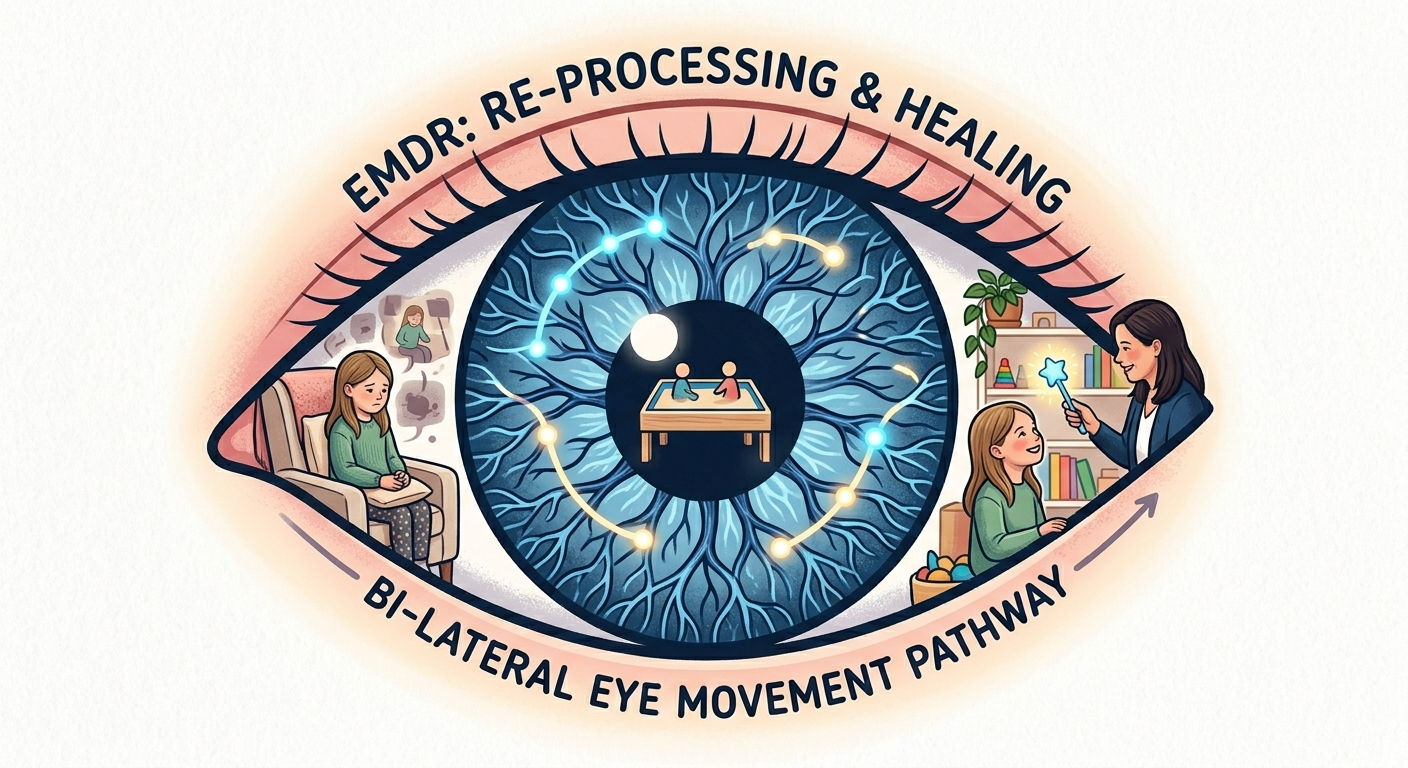
EMDR stands for Eye Movement Desensitization and Reprocessing. It’s a structured form of psychotherapy originally developed for adults, which has since been adapted to help children and adolescents process and heal from past traumatic or distressing experiences.
Rather than asking a child to talk at length about what happened to them, EMDR uses bilateral stimulation; guided eye movements, tapping, or alternating sounds while the child briefly brings a difficult memory to mind. A trained therapist guides the child through this process, helping the brain “reprocess” the memory so it feels less overwhelming and more like something that happened in the past, rather than something still being relived.
For younger children especially, this doesn’t have to mean putting feelings into words. EMDR can use drawings, puppets, or photo books, so a child who is too young, too shy, or simply doesn’t have the language yet can still take part. This makes it a particularly gentle option for children who struggle to talk about what’s troubling them.
Children who are carrying unprocessed worry, fear, or distress often don’t say so directly. Instead, it shows up as:
- Difficulty concentrating in class
- Separation anxiety, especially around starting school or nursery
- Tantrums, meltdowns, or sudden behaviour changes
- Nightmares or disrupted sleep
- Avoidance of certain people, places, or activities
None of these are really about ability or effort, they’re signs that a child’s nervous system is too busy managing distress to focus on learning. A holistic approach to education recognises that emotional regulation, a sense of safety, and self-belief are the foundation everything else is built on.
This is where EMDR can make a genuine difference. It can help children:
- Build emotional regulation skills, develop a clearer sense of their own strengths, and feel more supported and secure — all of which support steadier engagement at school.
- Reduce trauma-driven behaviours such as tantrums, nightmares, and avoidance, which often interfere with attendance, friendships, and day-to-day participation in lessons.
- Settle more easily into school or nursery, particularly where separation anxiety has made drop-offs distressing for both child and parent.
- Shift unhelpful beliefs about themselves — replacing thoughts like “I’m bad” or “this is my fault” with a more balanced, compassionate self-view, which in turn supports confidence and motivation in the classroom.
When delivered by a properly trained and accredited EMDR therapist, emir can be beneficial to a child’s holistic educational needs. Therapists follow specific protocols designed around the ethics and safety of working with young clients, with sessions tailored to each child’s age, development, and needs. EMDR is typically delivered by a qualified child psychologist, counsellor, or EMDR-accredited therapist, working alongside — not instead of — school staff and parents.
EMDR isn’t a quick fix, and it isn’t right for every child or every situation. But for children carrying the weight of a difficult experience, it can be a powerful tool for helping them feel safe enough to learn, connect, and grow; which is, ultimately, what a holistic approach to education is all about.
If you think your child might benefit from this kind of support, it’s worth speaking to a qualified, accredited EMDR practitioner who can assess whether it’s the right fit.
This post is intended as general information and isn’t a substitute for professional advice. If you’re concerned about your child’s emotional wellbeing, please speak to a qualified professional
-
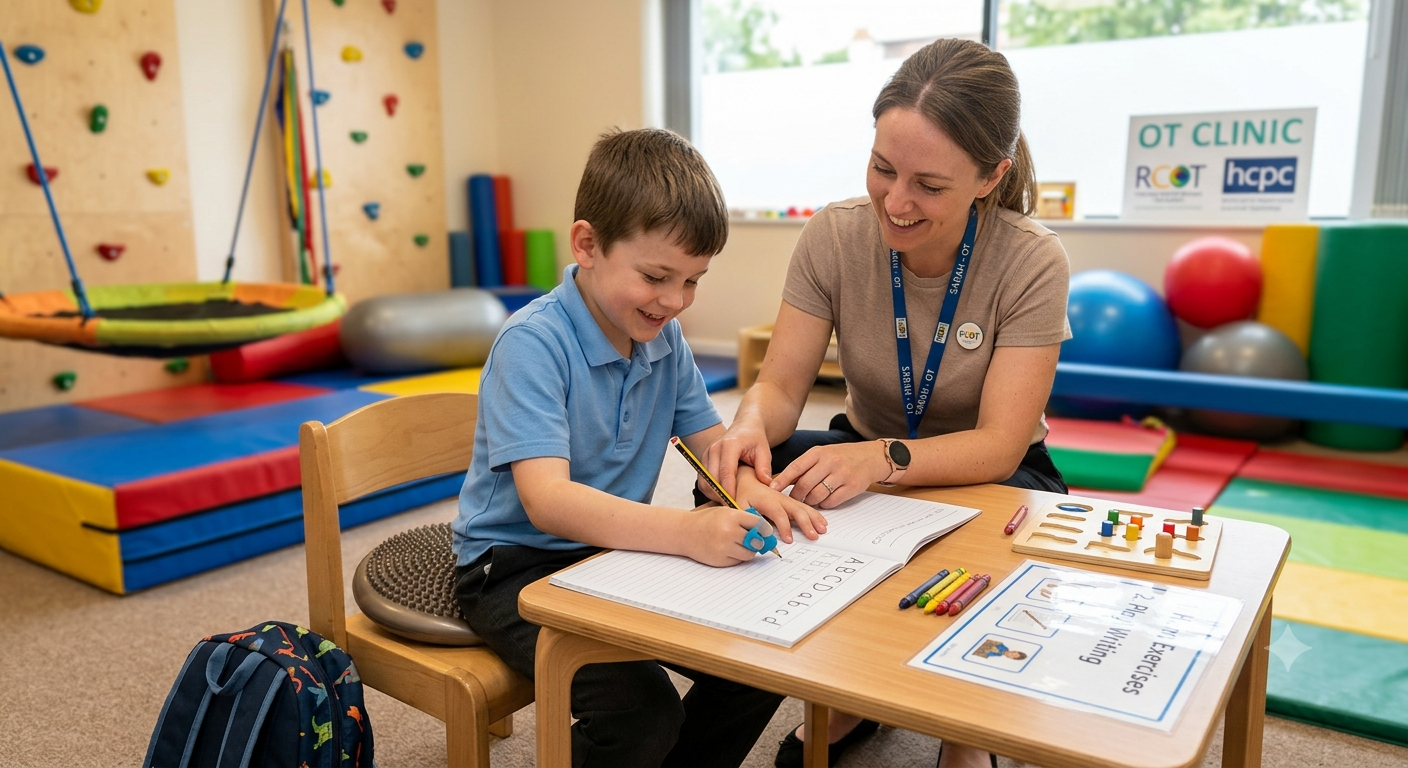
More Than Just Tutoring: Is Occupational Therapy the Missing Piece in Your Child’s Learning?
If you have spent any time researching how to support your child through Key Stages 1, 2, or 3, you have likely come across the term Occupational Therapy (OT). While traditionally associated with physical rehabilitation or adult healthcare, OT is increasingly being recognised by…

-
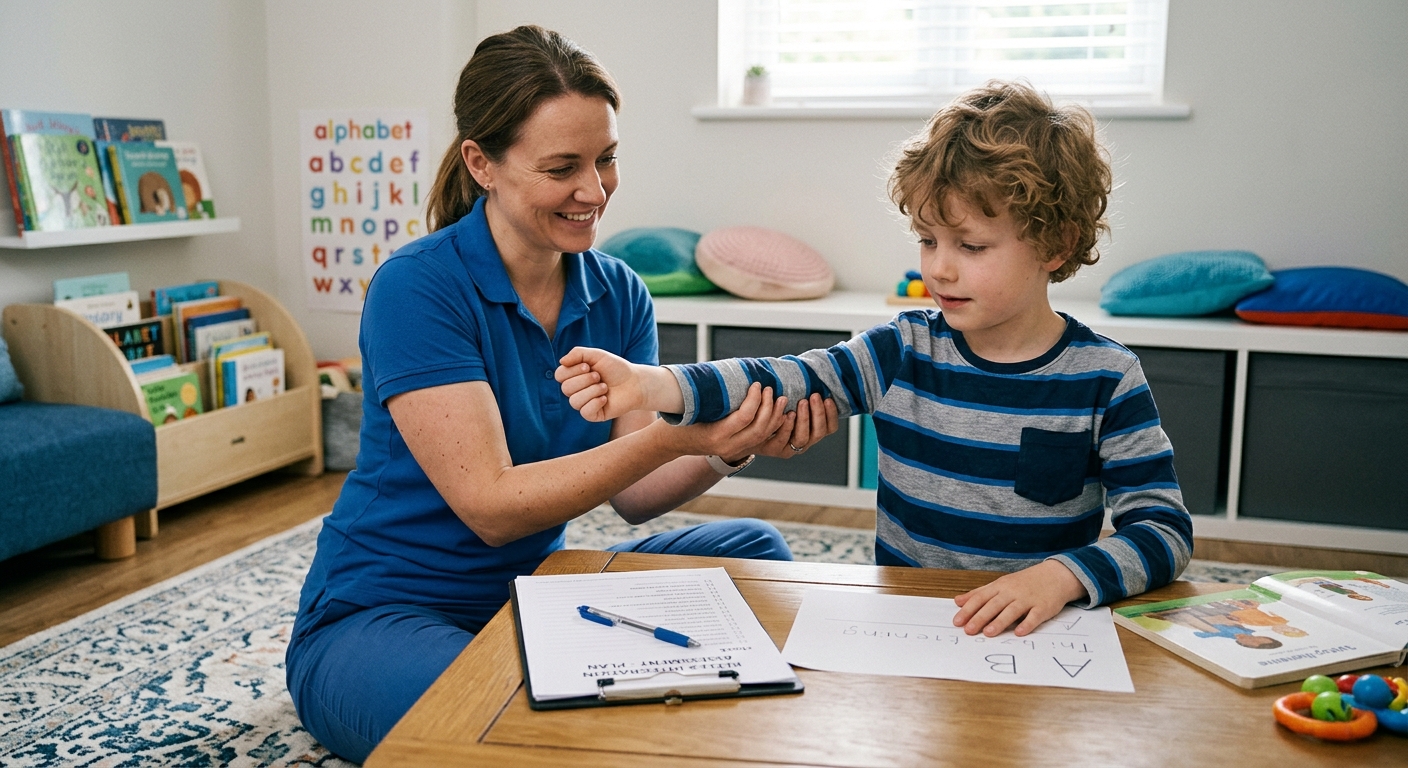
Retained Reflexes and Learning
If your child struggles with handwriting, can’t seem to sit still, or finds reading harder than you’d expect for their age, you may have come across the term “retained primitive reflexes.” It’s a topic that generates a lot of interest among parents and…